The Future of Books in the Digital Age: Trends and Predictions


The Rise of E-Books
The digital revolution has dramatically transformed the way we consume literature. E-books have become a significant part of the publishing industry, offering readers convenience and accessibility. With just a few clicks, readers can access thousands of titles from anywhere in the world. This shift has opened up new opportunities for authors and publishers, as well as challenges.
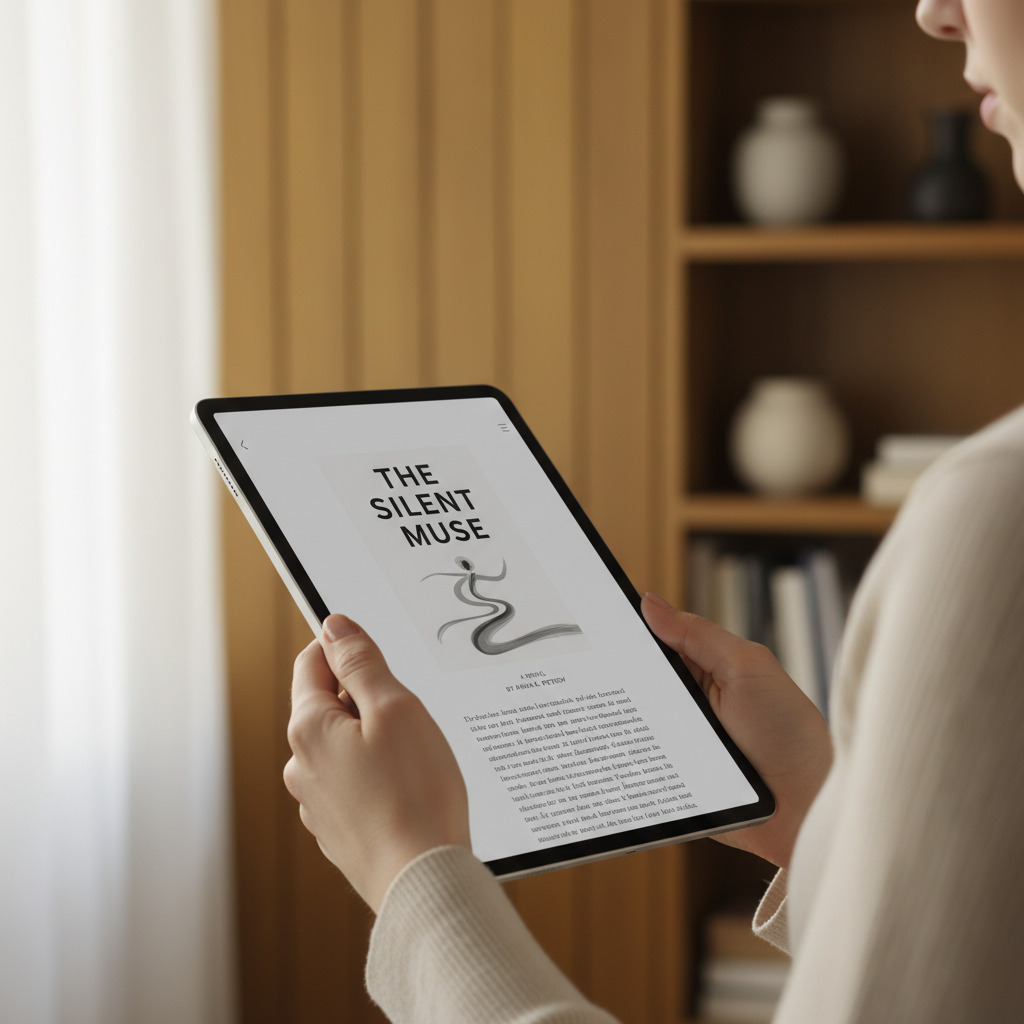
One of the most appealing aspects of e-books is their portability. A single device can hold an entire library, making it easy for avid readers to access their favorite books on the go. Additionally, e-books often come at a lower price point than their physical counterparts, making literature more affordable for many.
Interactive and Enhanced Reading Experiences
The digital format allows for interactivity and enhancements that traditional books cannot offer. Features such as hyperlinks, multimedia content, and interactive graphics add layers of depth to the reading experience. Educational books, in particular, benefit from these enhancements, providing interactive quizzes and videos that engage readers more effectively.
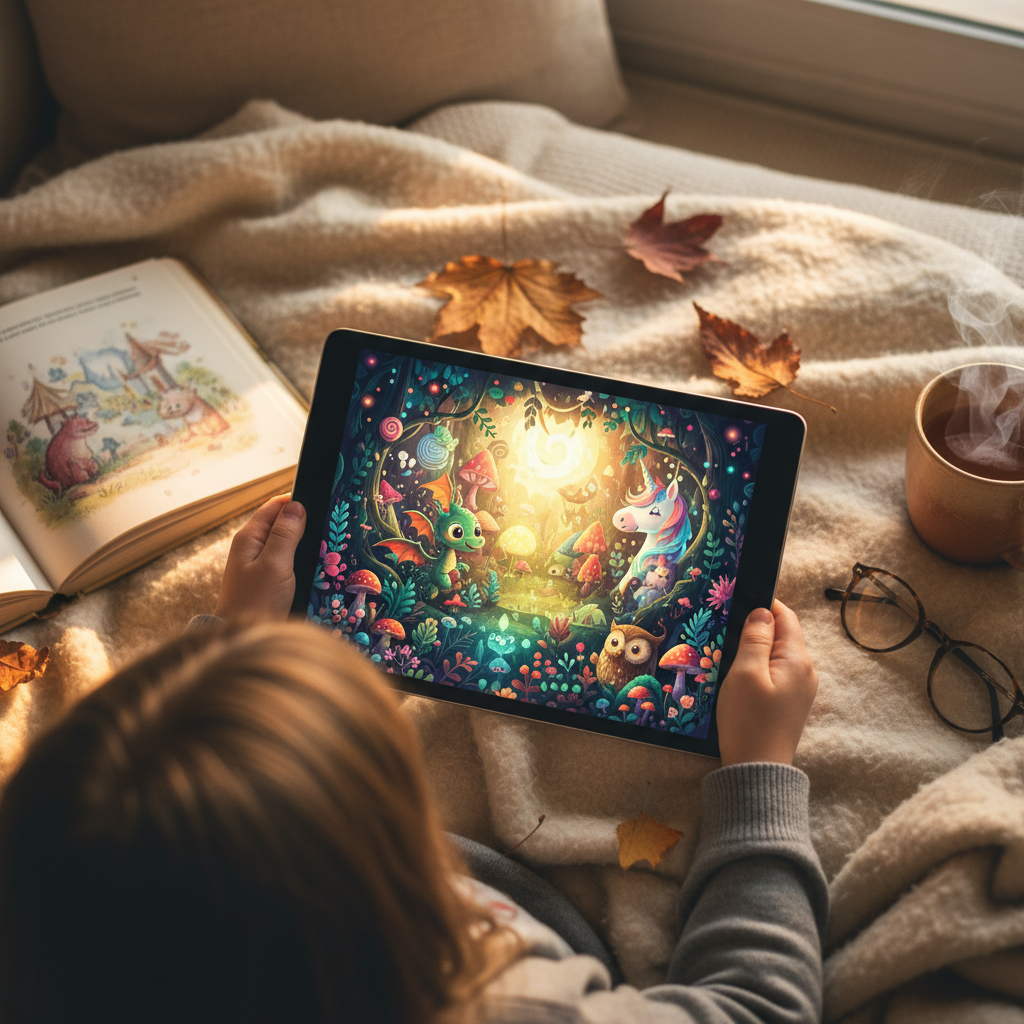
This trend is set to grow, with more publishers exploring ways to integrate technology into their offerings. The potential for augmented reality (AR) and virtual reality (VR) in storytelling is also on the horizon, promising to revolutionize how narratives are experienced.
The Role of Audiobooks
Audiobooks have seen a surge in popularity, becoming a preferred option for many readers. The convenience of listening to a book while commuting, exercising, or doing household chores has expanded the audience for literature. This trend is expected to continue, with more titles being released in audio format.

Emerging technologies, such as AI-driven narration, are also improving the quality and variety of audiobooks available. As these technologies advance, we can expect more personalized and immersive audio experiences for readers.
The Sustainability Factor
With growing awareness of environmental issues, digital books offer a more sustainable option compared to traditional publishing. The reduction in paper usage and the carbon footprint associated with the printing process make digital books an eco-friendly alternative.
As consumers become more environmentally conscious, the demand for sustainable reading solutions is likely to increase. Publishers are also exploring eco-friendly printing methods and materials for physical books to meet this demand.
The Future of Traditional Books
Despite the rise of digital formats, traditional books are not disappearing. Many readers still cherish the tactile experience of holding a physical book. Collectors and enthusiasts value the aesthetics and craftsmanship of printed editions, ensuring that there will always be a place for traditional books.

Publishers are responding by producing high-quality, beautifully designed editions that appeal to collectors. Limited editions, special print runs, and collaborations with artists are some ways publishers keep the interest in physical books alive.
Conclusion
The future of books in the digital age is one of diversity and innovation. As technology continues to evolve, so too will the ways we consume and appreciate literature. Whether through e-books, audiobooks, or traditional formats, the love for reading remains strong. The key for publishers and authors will be to embrace these changes and explore new possibilities in storytelling.